


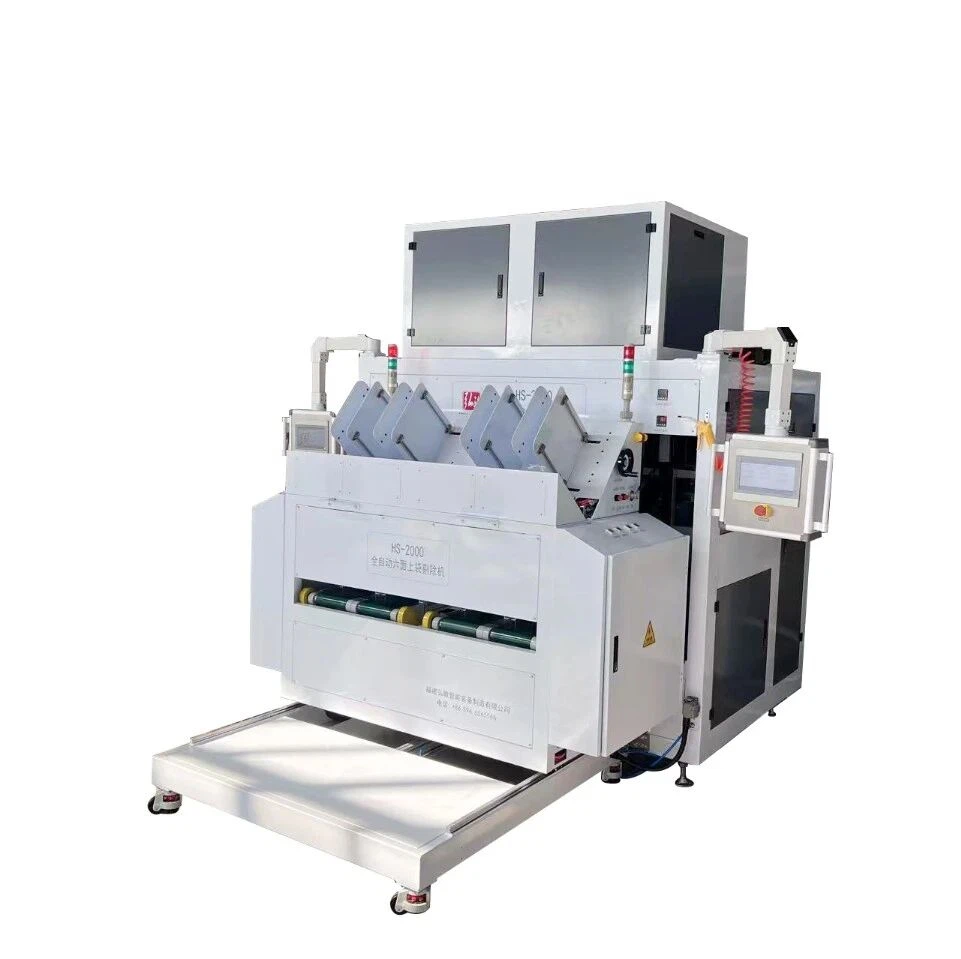
When investing in a vacuum packing machine-whether for food, seeds, or industrial products-checking its technical parameters is crucial to ensure it meets your production needs, preserves product quality, and delivers long-term value. Technical parameters directly determine the machine's efficiency, performance, and compatibility with your packaging requirements. Many buyers overlook this step, leading to mismatched equipment and operational delays. This guide walks you through the key technical parameters to check, how to verify them, and why they matter for your business.
First, start with the vacuum degree-the most critical parameter for a vacuum packing machine. It measures how much air the machine can remove from the package, directly affecting preservation. The standard vacuum degree for most applications is -0.06 to -0.08 MPa. To check it, use a digital vacuum gauge: run the machine empty, attach the gauge to the vacuum chamber, and confirm the reading matches the manufacturer's specifications. A lower vacuum degree (closer to 0) means poor air removal, which reduces product shelf life.
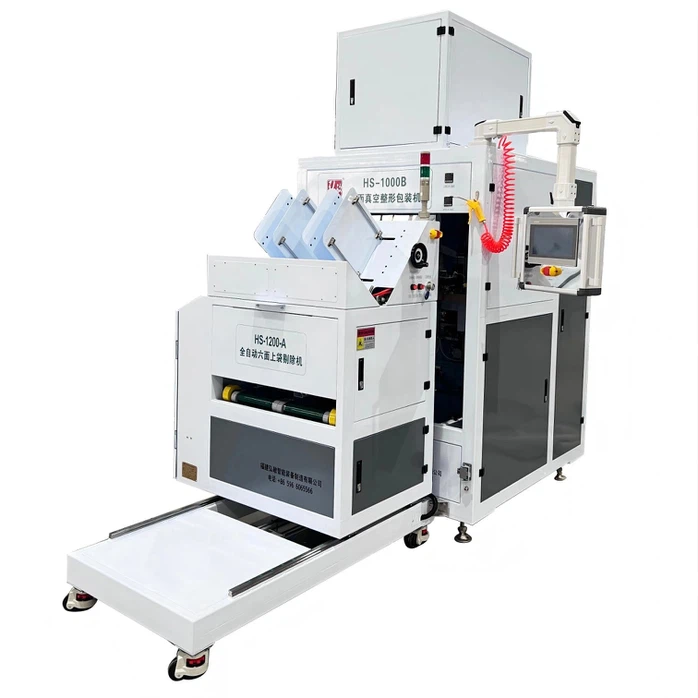

Next, verify the packing speed, measured in bags per hour (BPH). This parameter depends on your production volume: small businesses may need 200–400 BPH, while large commercial operations require 600–1000 BPH. Test the machine with your actual packaging material and product to ensure the speed is consistent-avoid relying solely on the manufacturer's advertised numbers, as real-world performance can vary.
Check the sealing temperature and width. Sealing temperature (usually 100–180℃) must be adjustable to match your packaging material (e.g., plastic, laminated film, or aluminum foil). A too-high temperature will burn the bag, while too low will cause weak seals. The sealing width (typically 8–15mm) ensures airtightness-wider seals are better for heavy or sharp products. Test a few bags to check for consistent, airtight seals after packing.
Don't overlook power supply and energy consumption. Most industrial vacuum packing machines use AC 380V, while small semi-automatic models use 220V. Confirm the machine's power matches your facility's supply to avoid electrical issues. Energy consumption (measured in kW) also matters for long-term operational costs-choose a machine with efficient motor technology to save on electricity.
Finally, check compatibility with package sizes and material thickness. The machine should accommodate your typical bag dimensions (length, width, height) and handle your packaging material's thickness (0.1–0.3mm for most applications). Test with your actual bags to ensure smooth forming, filling, and sealing without jams or tears.
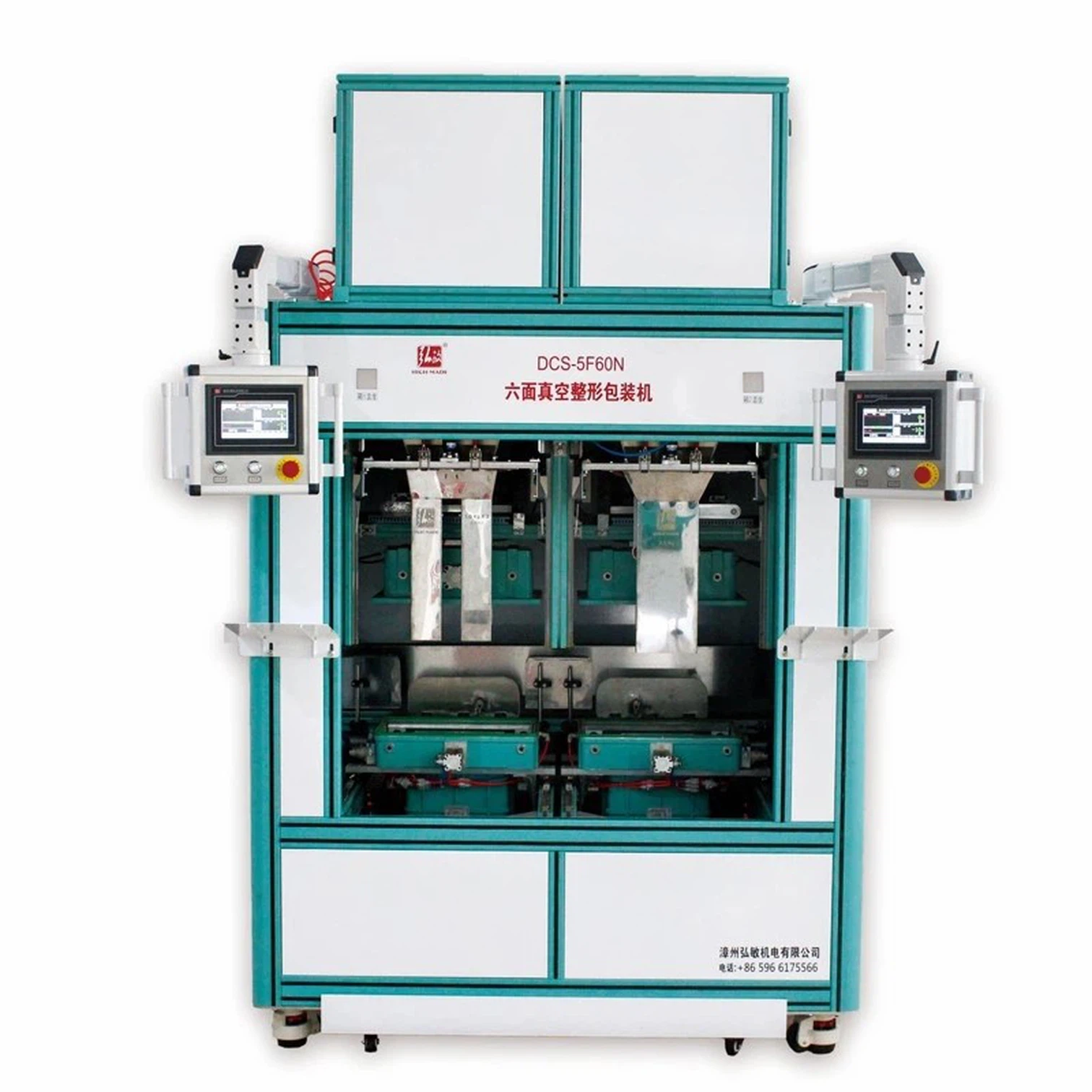

In summary, checking the technical parameters of a vacuum packing machine ensures you get equipment that fits your needs. Focus on vacuum degree, packing speed, sealing specifications, power supply, and compatibility. By verifying these parameters, you'll avoid costly mistakes and select a machine that delivers reliable, efficient performance for years.