

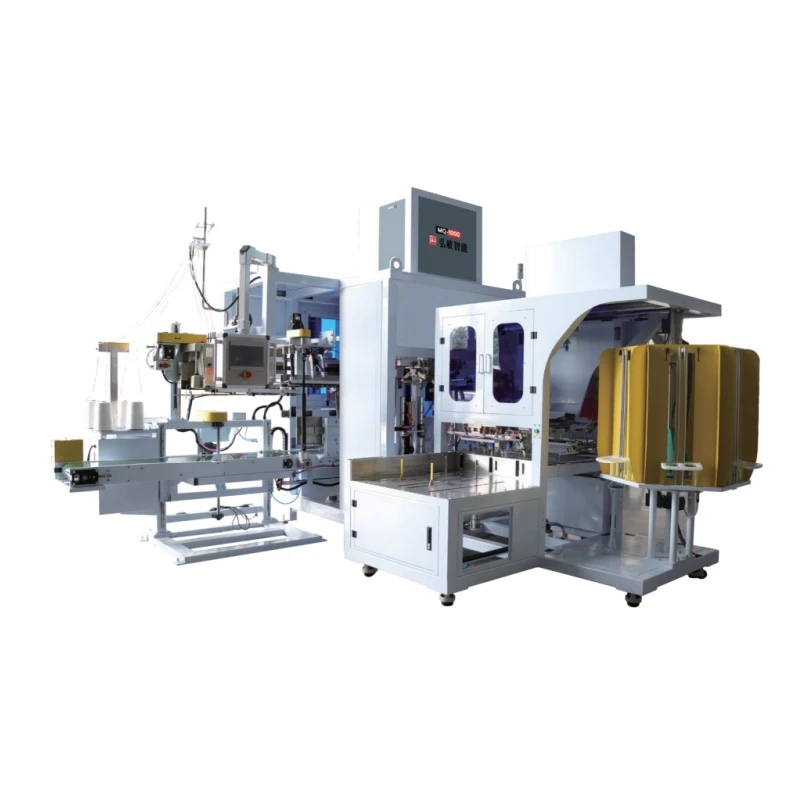
Material Tensile Strength and Structural Integrity
Selecting the optimal packaging substrate for 50kg industrial loads requires evaluating tensile strength and elongation metrics. PP woven bags offer an exceptionally high tensile strength-to-weight ratio, enduring the severe mechanical stresses of bulk handling without elongation or tearing. Conversely, heavy-duty PE (polyethylene) bags rely on high elongation properties-often exceeding 400%-to absorb impact energy. However, handling 50kg sharp-edged agricultural grains or abrasive chemical granules in PE requires film thicknesses between 120 and 180 microns to prevent catastrophic puncture failures during transit.
Bagging Machine Gripping and Sealing Compatibility
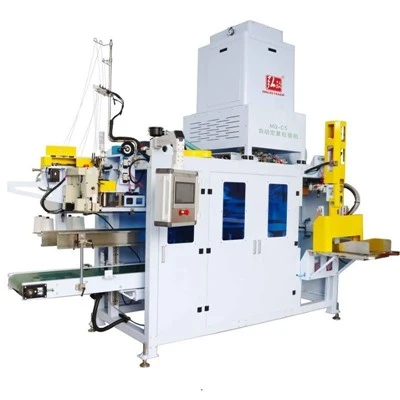
Operating an automated bagging machine requires distinct mechanical configurations depending on the substrate. A dedicated woven bag packing machine utilizes robust mechanical clamps, serrated gripper jaws, and pneumatic pin-tucking mechanisms to handle porous PP textile textures without slippage. In contrast, operating a PE bag packing machine demands vacuum suction cups for precise film separation and thermal impulse or continuous band sealing jaws capable of managing polyethylene melt flow indexes without edge distortion or burn-through.
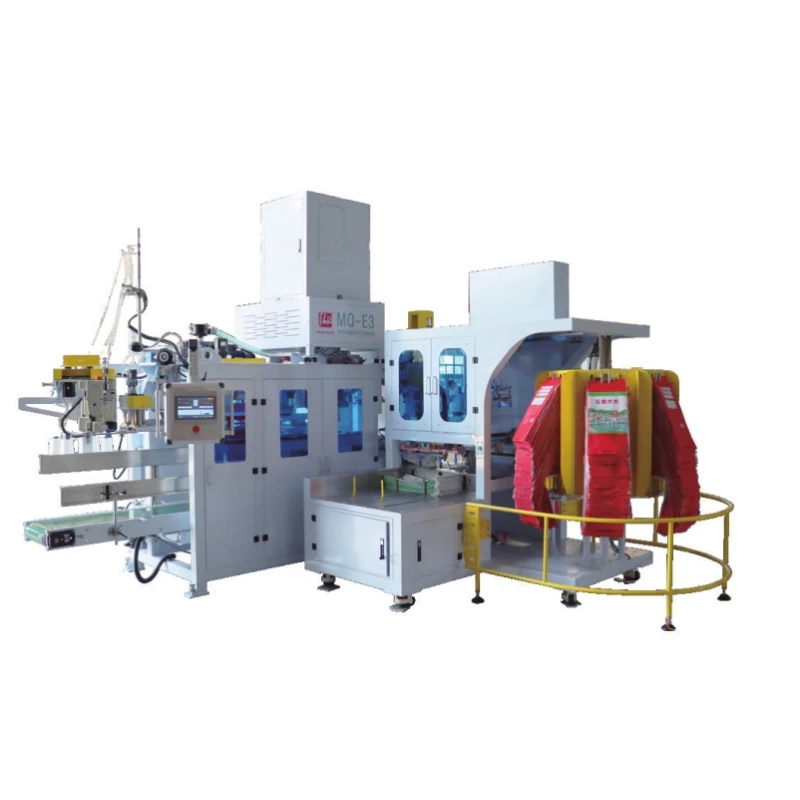
Moisture Barriers and Environmental Resistance
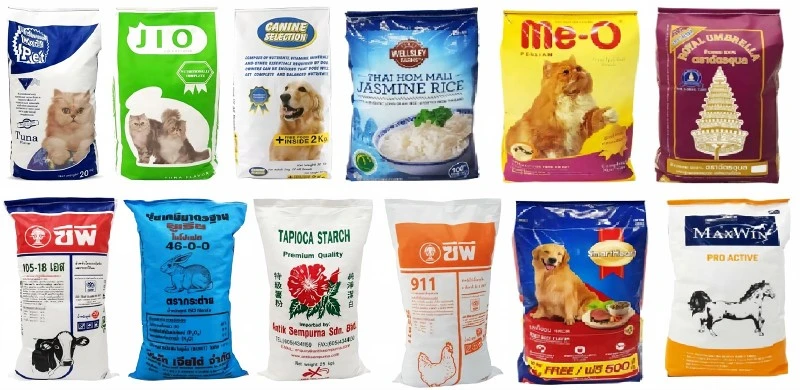
Environmental protection dictates long-term product stability. Uncoated PP woven sacks allow ambient breathability, which is advantageous for certain grains but requires an integrated LDPE inner liner for hygroscopic powders or pet food ingredients. In contrast, monolayer or co-extruded heavy-duty PE bags provide an absolute airtight, moisture-proof barrier. When packaging moisture-sensitive chemicals, a PE configuration maintains water vapor transmission rates (WVTR) below 5 g/m²/24h, whereas PP woven options require laminated exterior coatings to achieve equivalent environmental shielding.
Cost-Efficiency and Operational Trade-Offs
Total cost of ownership analysis involves balancing raw material expenditures against line downtime. PP woven bags generally offer lower per-unit material costs for 50kg industrial capacities, making them the standard for high-volume cement, fertilizer, and bulk grain sectors. However, switching a facility's main bagging machine between woven and plastic substrates requires careful engineering oversight regarding changeover protocols, sealing temperature windows, and stack stability to ensure consistent OEE across multi-material production schedules.
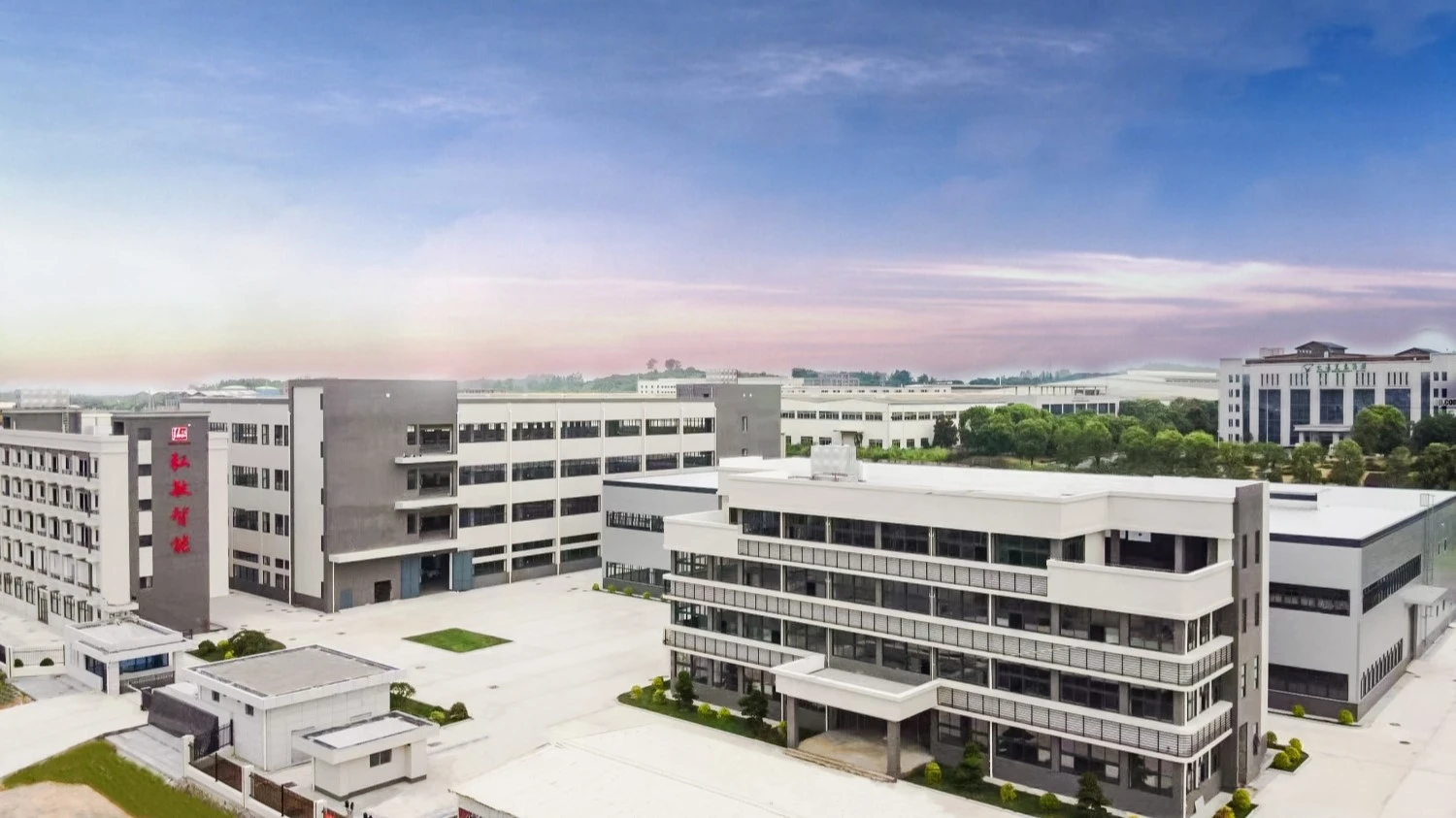
How To Cooperate With Us?
Contact to explore more cost-effective packing solutions.
YouTube / TikTok / Facebook: highmadepackingmachine
Phone Number / WhatsApp / WeChat: +86 166 5996 0709
E-mail: sale2@hmpackingmachine.com