

Understanding Vacuum-Packaged Granular Materials: A Comprehensive Guide
Vacuum packaging has revolutionized the preservation and transportation of granular materials across industries. By removing air from the packaging, this method extends shelf life, maintains quality, and safeguards products from environmental damage. Let's explore the science behind vacuum packaging and its diverse applications for granular materials like coffee beans, pharmaceuticals, and industrial plastics.
1. The "Magic" of Vacuum Packaging: How It Works
Vacuum packaging works by extracting air (primarily oxygen) from the sealed environment. Here's why this process is transformative:

Oxygen Removal:
Oxygen accelerates oxidation, leading to spoilage. For example, coffee beans lose flavor due to oxidation, while fats in nuts turn rancid. Eliminating oxygen slows these reactions.

Moisture Control:
Many granular materials, such as powdered medicines or pet food, are hygroscopic. Vacuum sealing blocks moisture absorption, preventing clumping or microbial growth.

Microbial Suppression:
Bacteria, mold, and fungi require oxygen and moisture to thrive. A vacuum environment starves these microorganisms, delaying decay.
By addressing these three factors, vacuum packaging creates a stable microclimate that preserves texture, flavor, and functionality.
2. Oxygen, Moisture, and Microbes: Enemies of Granular Materials
Let's break down how these elements degrade common granular products:
Foods (e.g., coffee beans, nuts):
- Oxygen causes flavor loss and fat oxidation.
- Humidity softens crispy textures or promotes mold.
Pharmaceuticals (e.g., tablets, powders):
- Moisture alters chemical stability, reducing efficacy.
- Microbial contamination risks patient safety.
Industrial materials (e.g., plastic pellets):
- Humidity can cause clumping or premature polymerization.
Vacuum packaging acts as a barrier against these threats, ensuring product integrity from production to end use.
3. Common Types of Vacuum-Packaged Granular Materials
Vacuum packaging is versatile, serving industries from food to manufacturing:

Food Industry:
- Coffee Beans: Preserves aromatic oils and freshness.
- Nuts and Snacks: Prevents rancidity and maintains crunchiness.
- Pet Food: Blocks pests and retains nutritional value.
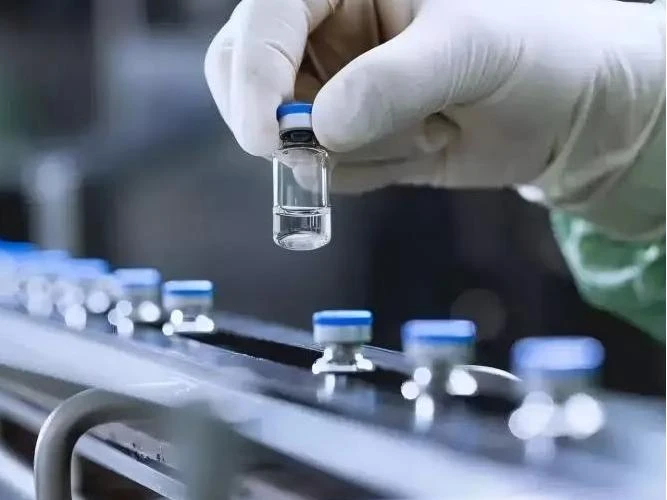
Pharmaceutical Industry:
- Tablets/Powders: Protects against humidity and contamination.
- Herbal Supplements: Maintains potency by limiting oxidation.

Industrial Applications:
- Plastic Resin Pellets: Avoids moisture-induced defects during molding.
- Metal Powders: Reduces oxidation in 3D printing or metallurgy.
Conclusion
Vacuum packaging is more than a preservation "trick"-it's a science-driven solution tailored to the unique needs of granular materials. By eliminating oxygen, moisture, and microbial risks, this method ensures products reach consumers in optimal condition. From your morning coffee to life-saving medications, vacuum packaging silently plays a vital role in modern life. As technology advances, its applications will continue to expand, offering smarter and more sustainable solutions for global industries.