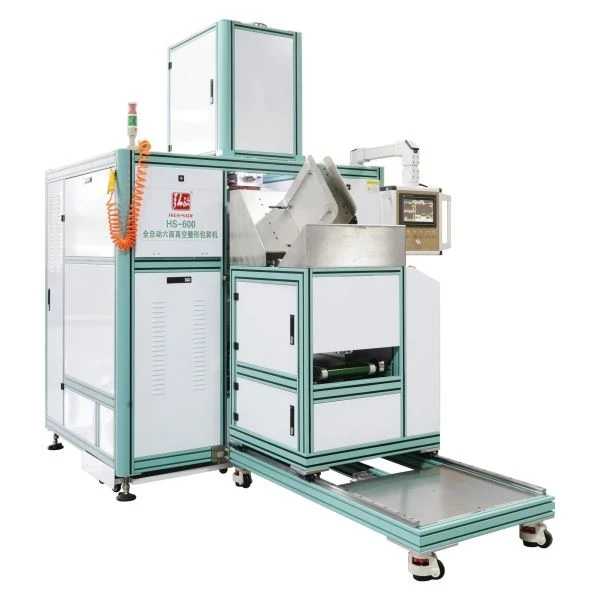
Brick Vacuum Packing Machines
For formed vacuum packs. Define the product, target weight, bag material, and finished brick dimensions.
Explore brick vacuum machines Language
We supply equipment for vacuum packs, quantitative weighing and filling, woven bags, secondary packing, and connected lines. Start with the finished package or the operation you need to automate, then compare the relevant machines.
 Equipment inspection at High-Made
Select by pack shape or packaging task. Each category leads to its own machine range.
For formed vacuum packs. Define the product, target weight, bag material, and finished brick dimensions.
Explore brick vacuum machines
For a flat vacuum presentation. Compare filled-bag dimensions, sealing needs, and intended output.
Explore flat-shape machines
For projects involving both pack shapes. Confirm each machine's supported formats and changeover.
Explore both-format machines
For quantitative dosing into bags. Start with material flow, target weight, feeding, and closing.
Explore filling packing scalesNeed help choosing? Send us your product, target pack, and planned output. We can discuss the relevant equipment category with you.
Discuss Your Packaging Requirements


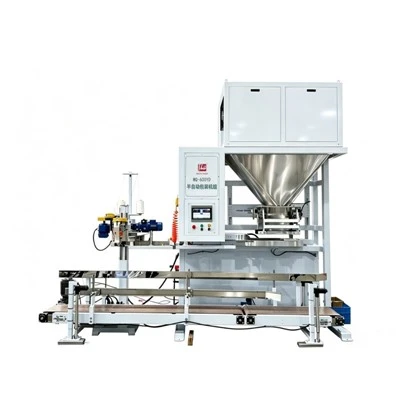


For woven sacks. Consider bag supply, weighing, filling, closing, and discharge together.
Explore woven bag machines
For finished bags going into outer packs or cartons. Confirm the bag size, case count, and arrangement.
Explore case packing machines
For carton handling, conveying, and connections between packaging stages. Review interfaces and line layout.
Explore line equipment
For cat litter bags selected by material, dust behavior, target weight, and finished shape.
Explore cat litter machinesUse these machines as starting points for a closer comparison. Share your material, bag, and production conditions so we can check the suitable configuration.
| Packaging task | Representative machine | What to confirm |
|---|---|---|
| Brick-shaped rice vacuum packs | Fully Automatic Rice Vacuum Packaging Machine | Rice characteristics, target weight, brick dimensions, bag, and forming requirements |
| Flat rice vacuum packs | Rice Flat Vacuum Packaging Machine | Flat-pack dimensions, rice and bag samples, and production target |
| Seed vacuum packs | Seed Vacuum Packing Machine for Brick and Flat Shape | Required finished shapes, seed properties, bag material, and changeover needs |
| Quantitative rice weighing | Rice Quantitative Packing Scale | Rice flow, target weight, bag type, weighing requirements, and closing process |
| Automatic woven-bag packing | 25kg Automatic Rice Woven Bag Packing Machine | Rice supply, sack dimensions, bag handling, and closing method |
| Packing bags into cases | Automatic Case Packing Machine | Incoming bag, carton dimensions, pack arrangement, and line interfaces |
| Carton sealing | Automatic Carton Sealing Machine | Carton dimensions, closure method, and conveyor connection |
| Cat litter vacuum packs | Cat Litter Vacuum Packaging Machine | Litter type, dust behavior, bag, target weight, and finished shape |

The pack you need determines the equipment route. A line may combine more than one machine category.
Define whether the pack must be brick-shaped, flat, or packed into a woven sack.
Confirm the target weight, filled dimensions, bag material, and closing method.
Specify whether finished packs need conveying, case packing, or carton sealing.
These details give us a basis for checking individual machines. You can also review our product cases for equipment and packaging applications.
Choose the finished package first. A brick pack requires a formed shape, while a flat pack has a different presentation. Send us your product, target weight, bag, and dimensions so we can review the relevant equipment routes.
That depends on the individual machine and planned packages. Provide the two finished shapes, weights, bag materials, and changeover expectations. We will check supported formats against those requirements.
A filling packing scale addresses quantitative weighing and filling. A woven bag packaging system also accounts for the sack, bag handling, and closing operation. Your material, target weight, sack, and automation needs determine the configuration.
Consider a case packer when finished packages must be arranged and placed into an outer carton. We need the incoming pack dimensions, bags per case, carton size, and intended arrangement to assess the machine.
We can discuss the connection once we know your current machines, their input and output conditions, available space, utilities, and operating sequence. Photos, drawings, or a short operating video can help clarify the interfaces.
Tell us what you pack, what the finished package should look like, and which production steps you want to automate. Include your target weight, bag or carton dimensions, expected output, and any existing equipment. We will review the relevant machine options with you.