



Optimizing floor space and capital expenditure is a critical challenge for growing food processors. When scaling up operations, small-scale manufacturers frequently face a pivotal operational dilemma: choosing between a semi-automatic vacuum packing machine and a fully automated system. Both configurations utilize vacuum packaging technology to extract atmospheric oxygen and secure hermetic seals, yet their impacts on labor costs, throughput velocities, and overall production efficiency differ significantly.
For startups and small factories with diverse, low-volume product lines, semi-automatic vacuum sealers offer an excellent balance of affordability and flexibility. These machines-typically configured as single or double-chamber sealers-rely on an operator to manually position the filled pouches over the thermal sealing bars. Once the chamber lid closes, the machine automatically executes the vacuum, gas-flushing (if applicable), and sealing cycles. This setup drastically reduces initial capital investment while remaining highly adaptable to frequent product changeovers.


Conversely, integrating an automatic vacuum packaging machine becomes justifiable when a factory transitions to standardized, high-volume production. Fully automated systems, such as continuous thermoformers or automatic conveyor-belt vacuum chamber machines, eliminate manual pouch placement entirely. By automating the product loading, vacuuming, and discharge phases, these units maximize throughput and ensure consistent sealing pressure. Consequently, this significantly lowers per-unit labor costs and minimizes human error in the packaging line.
When evaluating vacuum packing machinery for small factory use, decision-makers must look beyond the initial purchase price and calculate the total cost of ownership (TCO). A semi-automatic unit offers lower upfront costs but incurs higher long-term operational expenditures due to its reliance on manual labor. On the other hand, while a commercial automatic vacuum sealer requires a substantial upfront investment, it provides superior long-term ROI by boosting yield, ensuring seal integrity, and optimizing gas consumption during modified atmosphere packaging (MAP) cycles.
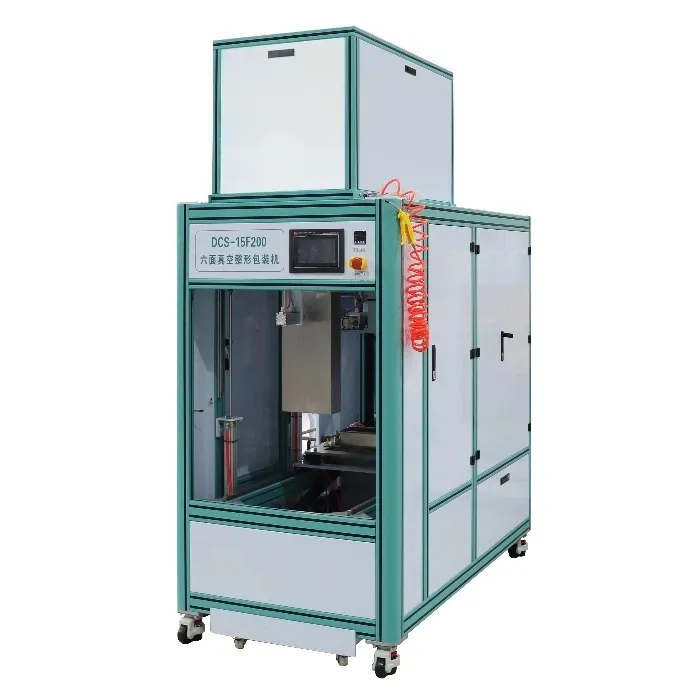
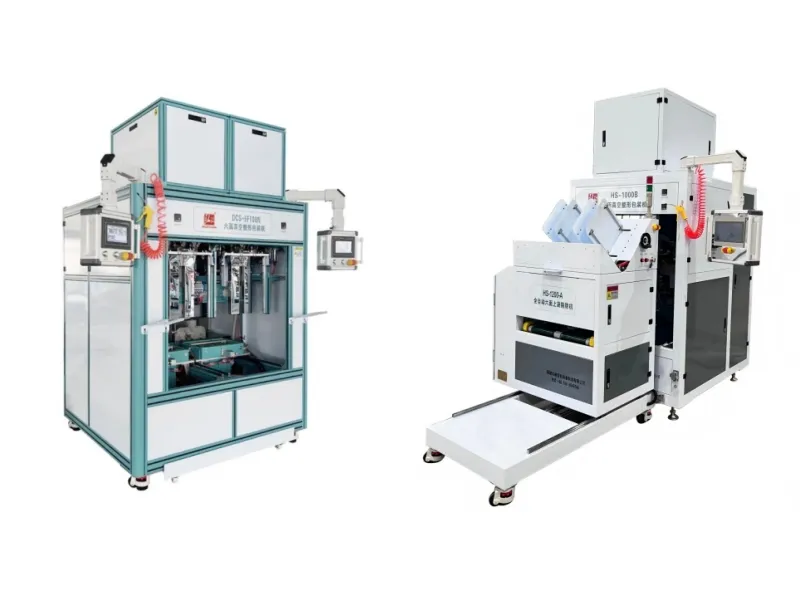
Ultimately, the choice hinges on your current production metrics and growth trajectory. Small factories aiming for rapid scalability and standardized outputs will find long-term value in an automated line. However, facilities prioritizing budget flexibility and batch-style production will benefit more from a robust semi-automatic system. Partnering with an experienced packaging machinery manufacturer ensures you select equipment with the precise vacuum pump capacity and seal-bar configuration tailored to your operational needs.