


The food manufacturing sector in 2026 is experiencing a massive shift toward shelf-life extension and operational efficiency. As brands face strict supply chain demands, innovative food packaging trends are moving away from rigid formats. Instead, processors are prioritizing flexible, high-barrier materials that minimize product degradation. At the forefront of this evolution are advanced vacuum packaging technology systems and automated pre-made pouch packaging machines, which deliver both superior aesthetics and airtight seal integrity to meet modern commercial standards.
For high-volume producers, integrating a rotary pouch filling machine has become a benchmark for maximizing throughput. These sophisticated systems utilize precise mechanical gripping mechanisms to pick, open, fill, and seal premade bags seamlessly. Unlike traditional form-fill-seal (FFS) methods, pre-made pouch automation offers unparalleled flexibility, allowing quick changeovers between diverse bag styles-such as stand-up pouches (SUP), doypacks, and flat bags-with minimal downtime.
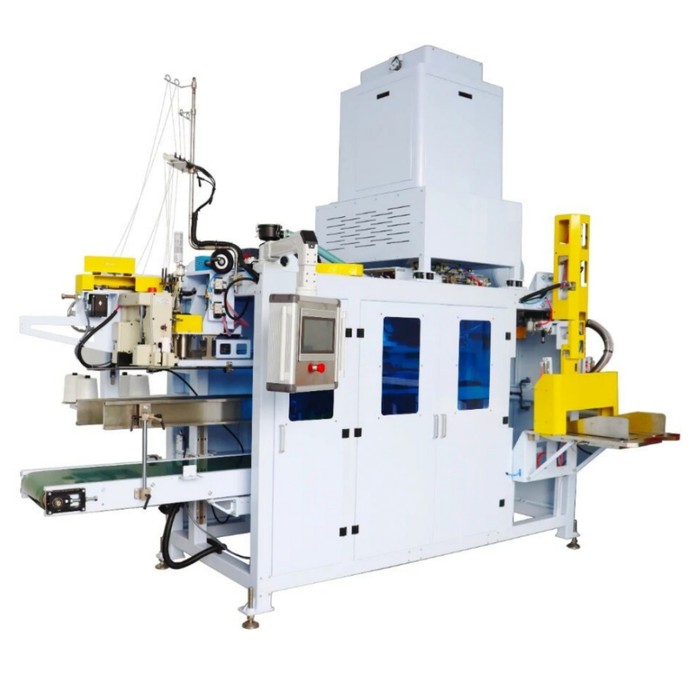
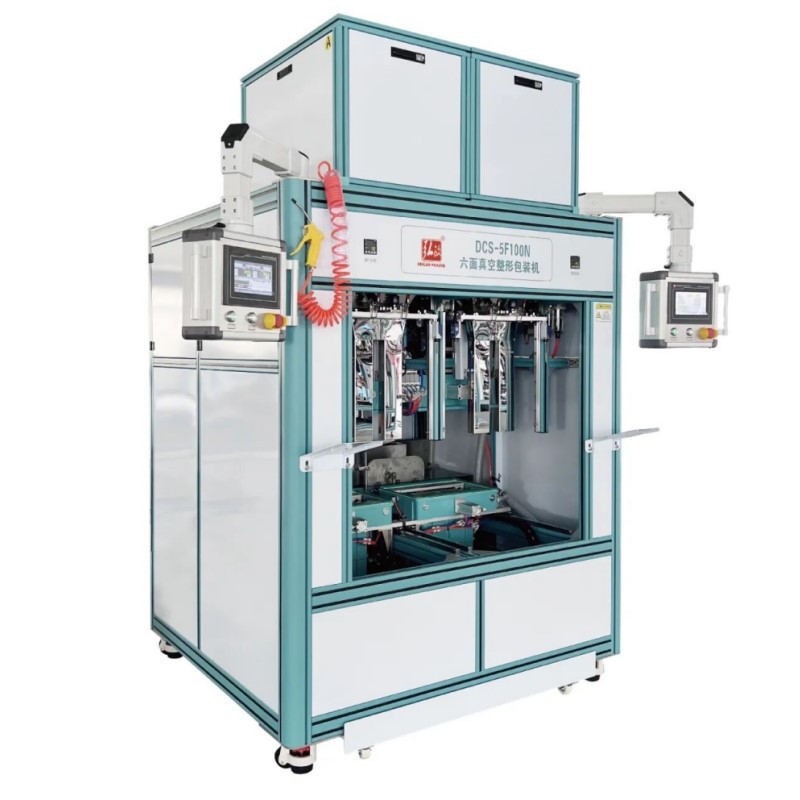
Simultaneously, the demand for industrial vacuum sealing equipment is surging across the protein, dairy, and ready-to-eat sectors. Modern vacuum chambers and thermoformers leverage modified atmosphere packaging (MAP) capabilities to evacuate oxygen, thereby inhibiting aerobic microbial growth. By combining precise gas flushing with robust thermal sealing bars, these machines guarantee airtight closures that withstand the rigors of logistics, ensuring consumers receive optimal freshness.
Precautions for Machine Operation
Beyond operational throughput, sustainability is driving machinery design. The latest automated pouch packing solutions are specifically engineered to handle eco-friendly substrates, including recyclable mono-material films and biodegradable laminates. Legacy systems often struggle with the narrow sealing temperature windows of these green materials. However, 2026-generation machinery utilizes intelligent heat-sealing technology and continuous ultrasonic welding to prevent film burn-through while maintaining a hermetic seal.
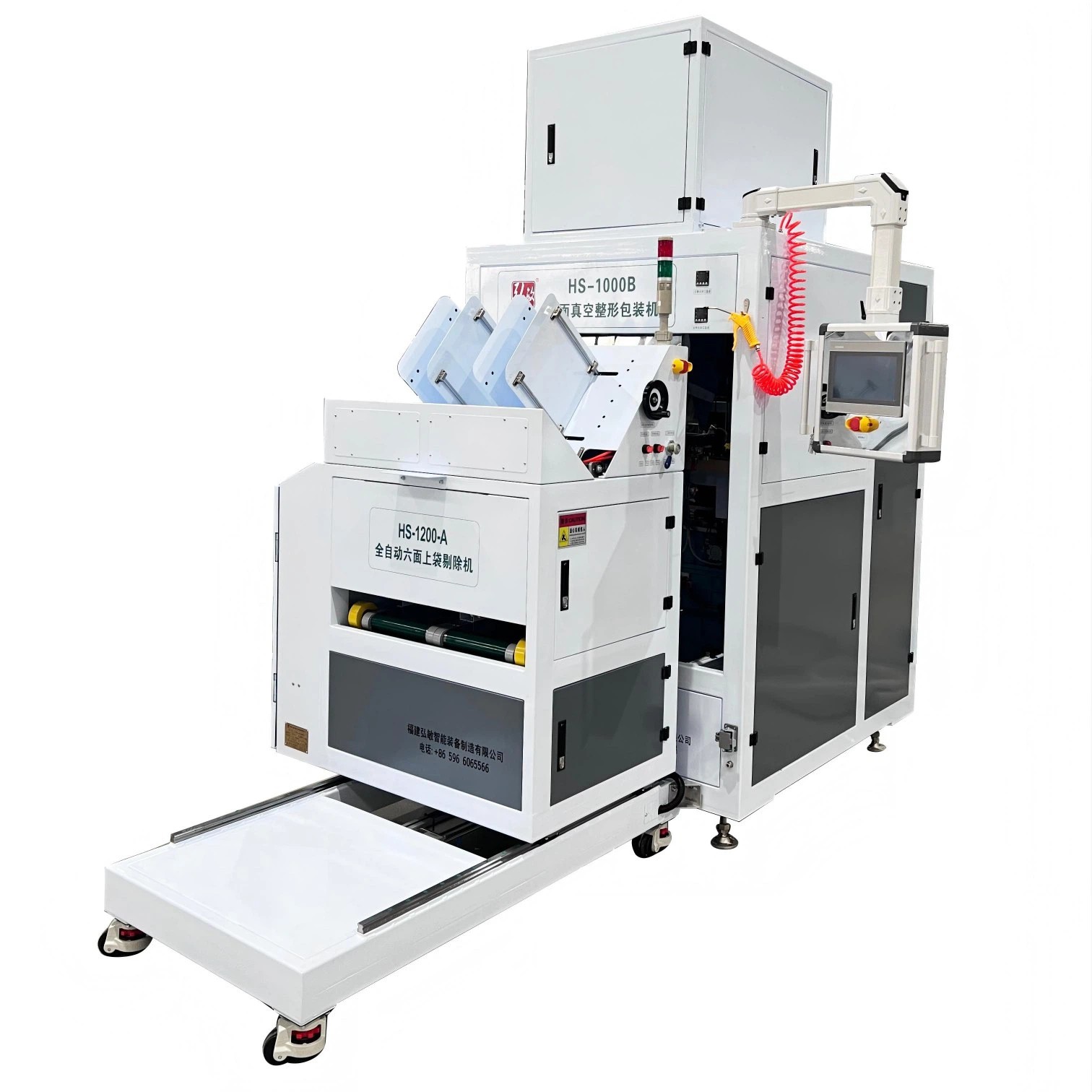
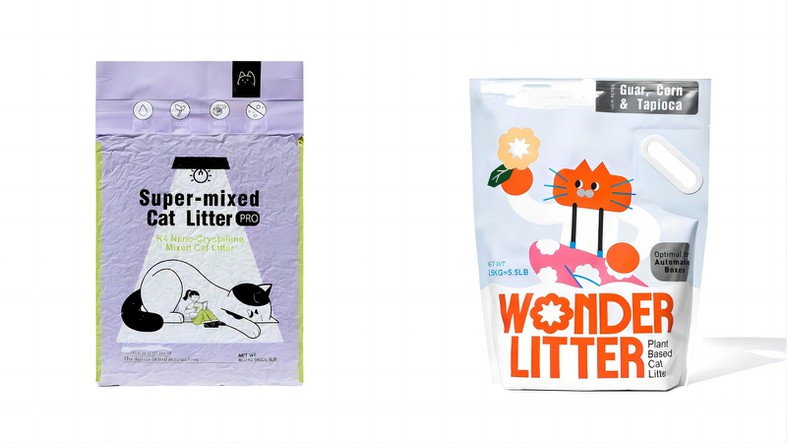
Ultimately, investing in efficient pre-made bag filling systems and robust vacuum solutions allows food brands to achieve a critical balance: reducing product waste and enhancing shelf appeal. As flexible packaging continues to dominate retail shelves, upgrading to adaptive, high-precision machinery is no longer just an operational advantage-it is a baseline necessity for thriving in a competitive global market.